Boston City Council Weighs Public-Owned Grocery Stores to Fight Food Insecurity
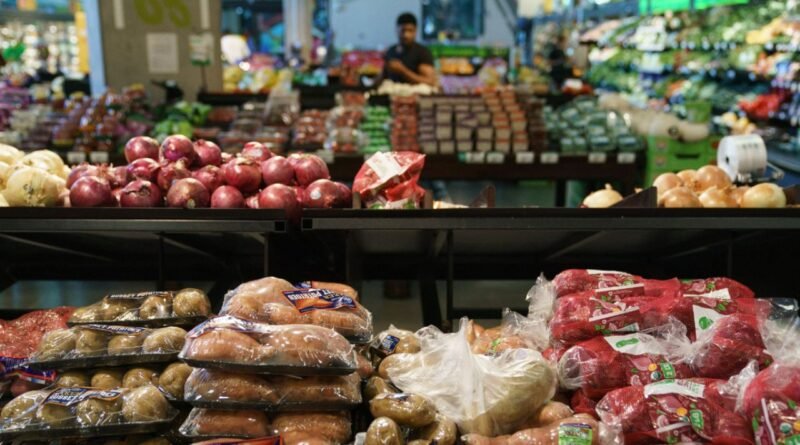
The Boston City Council recently revisited the growing issue of food insecurity and discussed whether city-owned grocery stores could help expand affordable food access. During a hearing held on Thursday, Nov. 20, councilors emphasized that the extended federal government shutdown highlighted the vulnerability of essential programs such as the Supplemental Nutrition Assistance Program (SNAP). The council is now exploring new strategies to safeguard residents’ access to healthy and affordable food.
Council Pushes for Better Food Access Solutions
A Call for More Affordable and Culturally Relevant Food Options
Councilor Liz Breadon, one of the leading sponsors of the proposal, noted that Boston must explore every possible avenue to improve food availability for local families. Breadon stressed the importance of creating systems that deliver affordable, accessible, and culturally appropriate food options, especially for communities hit hardest by food insecurity.
Why City-Owned Grocery Stores Are Being Considered
Lower Prices Through Reduced Overhead
Advocates of city-owned grocery stores argue that these public stores could help reduce food prices because they would not need to build rental or commercial overhead costs into consumer prices. This concept could potentially make staple items more affordable for lower-income households across Boston.
Different Investment Models Under Review
Council members reviewed multiple investment and partnership models, including city involvement in store ownership and collaborations with nonprofit organizations. These strategies aim to strengthen Boston’s food distribution network without overwhelming city resources.
Looking at Successful Models and Policy Inspiration
The New Jersey Food Desert Relief Act as a Blueprint
Boston City Council President Ruthzee Louijeune pointed to New Jersey’s Food Desert Relief Act, which provides tax credits for new supermarkets in food-deprived areas. Louijeune expressed interest in studying similar programs and even requested a feasibility study to evaluate whether Boston could effectively operate a municipal grocery store.
Challenges in Running a City-Owned Grocery Store
Operational Obstacles and Industry Competition
According to insights discussed from The Boston Globe, running a government-operated grocery store is complex. Challenges include:
- Securing reliable warehouse and cold storage
- Managing transportation and supply logistics
- Competing with large commercial grocery chains
Jack Kenslea, political director for the United Food and Commercial Workers Union, suggested that city-owned stores function more effectively when owned publicly but operated privately, as this allows them to use existing operational networks while benefiting from reduced rent on city-owned land.
Urban Shopping Patterns Limit Sales Volume
Urban grocery stores face additional hurdles. Residents who rely on walking or public transit often purchase smaller quantities, leading to lower cart sizes and reduced sales volumes. This dynamic makes profitability harder compared to suburban supermarkets.
Community Concerns and Local Support Needs
Small Grocers Operate on Tight Margins
Community advocates warned that small local grocers already operate with narrow profit margins and might struggle without continuous support. They urged the city to promote higher shopper traffic, targeted local sourcing, and stronger support for food co-ops, which could play a key role in improving neighborhood food access.
What Comes Next for Boston’s Food Access Strategy
Council President Louijeune emphasized that additional hearings will follow. She expressed interest in hearing from leaders of city-owned grocery stores in other cities to understand best practices and long-term feasibility. The council aims to gather all perspectives before crafting a broader strategy to reduce food insecurity in Boston.