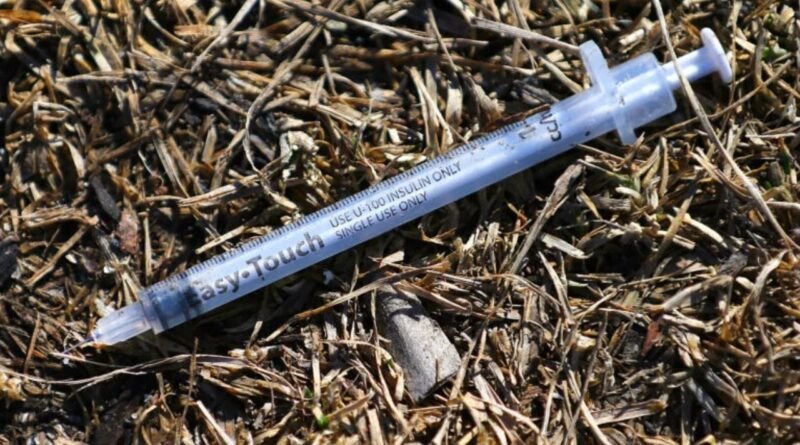
‘Syringe City’: Boston Distributed 4.5 Million Needles to Drug Users Under Mayor Wu
Boston’s public health approach has shifted significantly in recent years, especially in how the city manages harm-reduction programs for drug users. During Mayor Michelle Wu’s administration, the city’s efforts to curb infections, overdoses, and street-level health crises have included large-scale distribution of clean needles. Reports indicate that more than 4.5 million syringes were provided to drug users during her tenure—an approach designed to reduce disease transmission but one that continues to fuel public debate. This article explores the scale of the needle program, its goals, community concerns, and its impact on Boston’s ongoing opioid crisis.
Understanding Boston’s Needle Distribution Program
Why the City Distributes Needles
The distribution of clean syringes is part of Boston’s broader harm-reduction strategy, a public health model that focuses on minimizing the negative consequences of drug use rather than solely enforcing abstinence. By providing sterile needles, the city aims to:
- Lower the spread of HIV, hepatitis C, and other infections
- Reduce dangerous needle-sharing practices
- Encourage engagement with addiction services
- Connect drug users with treatment programs and social workers
These initiatives reflect national harm-reduction trends that prioritize safety while still promoting pathways to recovery.
The 4.5 Million Syringe Figure: What It Means
During Mayor Wu’s tenure, Boston distributed approximately 4.5 million syringes to individuals struggling with substance use. This large number represents the city’s attempt to keep up with a rapidly intensifying opioid crisis, especially in neighborhoods like Mass. and Cass, which have become focal points of addiction and homelessness.
The needle distribution program is run through public health partners and street-outreach teams who engage directly with people using drugs. Although the volume of syringes appears staggering, city officials argue that the number reflects the reality of:
- Rising fentanyl use
- Increased frequency of injections
- A growing population facing addiction
Public Concerns and Community Impact
Neighborhood Frustrations
Residents and business owners have expressed concern over discarded needles found on sidewalks, parks, and public spaces. Many argue that while the program promotes health safety, it leaves parts of the city struggling with:
- Unsafe needle disposal
- Increased visible drug activity
- A perception of declining public safety
These concerns have pushed community groups and local leaders to demand stronger oversight, cleanup services, and expanded addiction treatment options.
Balancing Harm Reduction With Public Safety
City officials maintain that needle distribution is only one part of a larger, layered strategy. Alongside syringe access programs, the administration supports:
- Overdose prevention centers
- Expanded detox and treatment facilities
- Housing programs for people experiencing addiction
- Crisis intervention teams
The challenge lies in balancing harm-reduction policies with the need to maintain clean, safe, and livable neighborhoods. Critics of the program call for stricter controls and better accountability, while supporters emphasize that cutting needle access would lead to higher infection rates and more preventable deaths.
The Future of Harm Reduction in Boston
Boston’s opioid crisis shows no signs of slowing, pushing the city to adapt and innovate. Future plans discussed by city leaders include improving safe-disposal infrastructure, increasing treatment capacity, and strengthening outreach programs. Whether controversial or not, the distribution of millions of syringes demonstrates Boston’s commitment to harm-reduction methods as it tries to navigate complex health and safety challenges.